Compare Local Contractors for Smoke Damage Restoration Services
Compare local contractors for smoke damage remediation to define scope, verify experience, and set clear expectations for effective restoration.
Smoke damage remediation is a specialized service that addresses the removal of soot, smoke residues, and odors caused by fires or smoke-related incidents. This work typically involves cleaning affected surfaces, including walls, ceilings, and ventilation systems, to prevent ongoing contamination and health concerns. In some cases, it may also require the removal and replacement of materials that cannot be effectively cleaned, such as drywall or insulation. The goal is to restore the property to a safe and livable condition, minimizing the lingering effects of smoke and preventing further damage.
Defining the scope of smoke damage remediation is essential because it helps property owners understand what services are necessary and ensures that all affected areas are properly addressed. A clear scope can prevent misunderstandings with contractors and reduce the risk of incomplete work. It’s important to identify the extent of the damage early on, including hidden or hard-to-reach areas, so that the chosen service providers can deliver comprehensive solutions. Documenting the scope in writing also creates a reference point for expectations and can facilitate smoother communication throughout the remediation process.
When comparing local contractors for smoke damage remediation, property owners should consider their experience with similar projects and the range of services offered. Verifying that a contractor has a solid track record in smoke damage work can provide confidence in their ability to handle the job effectively. It’s also beneficial to review how each service provider approaches defining scope and documenting work in writing. Asking for detailed descriptions of their process and ensuring that expectations are clearly outlined can help in making an informed decision. Ultimately, choosing a contractor who emphasizes thorough assessments and transparent communication supports a successful remediation effort.
Compare local contractors by outlining your priorities, verifying experience, and setting clear scope expectations in writing.
- Compare Contractors - review multiple service providers to find the best match for smoke damage remediation needs.
- Define Scope Clearly - establish and document the extent of work required to ensure mutual understanding.
- Verify Experience - check the background and previous work of local contractors to assess their expertise.
- Set Expectations in Writing - ensure all project details and responsibilities are documented to prevent misunderstandings.
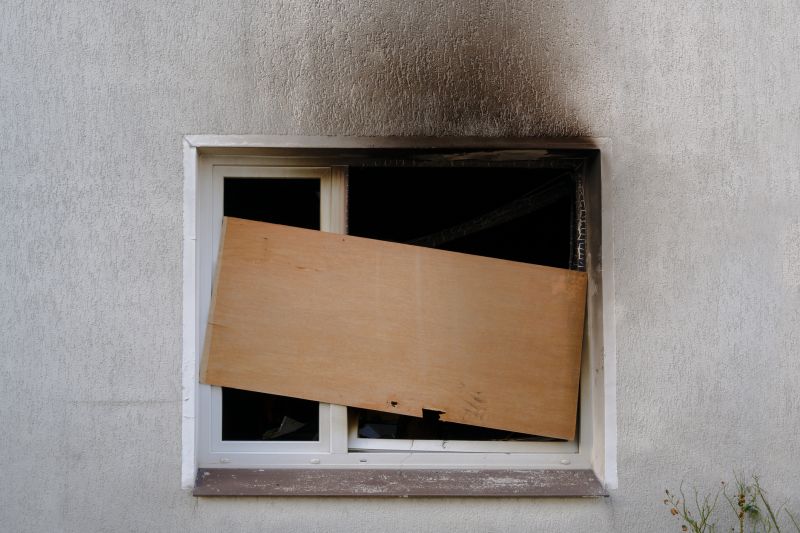
Before comparing contractors, clearly describe your smoke damage project, scope, and expectations to ensure informed choices.
- Verify that contractors clearly define the scope of smoke damage remediation services they provide. - Ensure service providers outline the specific steps involved in cleaning, deodorizing, and restoring affected areas.
- Compare the experience levels of local contractors in handling smoke damage cleanup and restoration projects. - Look for providers with a proven track record in smoke damage remediation within the community.
- Check that contractors provide written estimates or scope of work to establish clear expectations before work begins. - Confirm that all project details, responsibilities, and deliverables are documented in writing.
- Assess the methods and materials used by service providers to ensure they are appropriate for smoke damage removal. - Consider whether the techniques align with industry standards for effective remediation.
- Determine if contractors have procedures for identifying and addressing hidden or residual smoke damage. - Look for providers who thoroughly evaluate all affected areas, including concealed spaces.
- Ensure that service providers communicate their process for verifying the completeness of smoke damage removal. - Confirm that they have methods to assess when the job is fully finished and the property is properly restored.
Compare local contractors' experience and clarify scope to ensure effective smoke damage remediation.
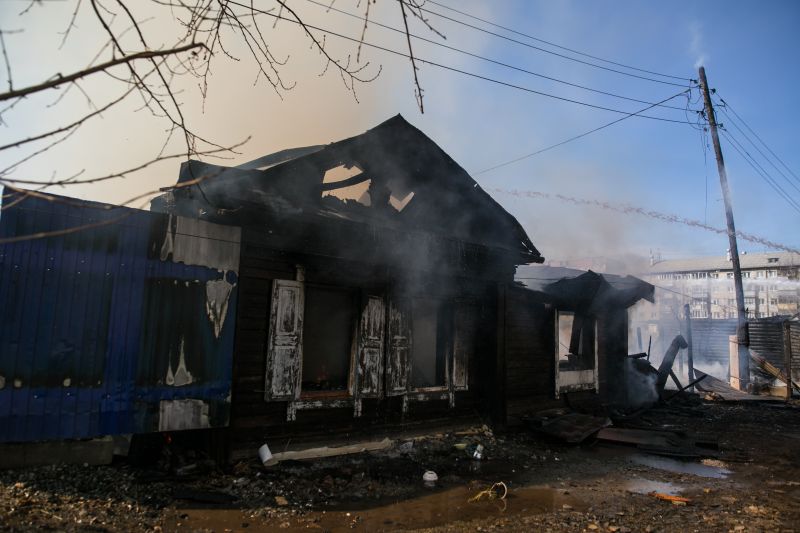
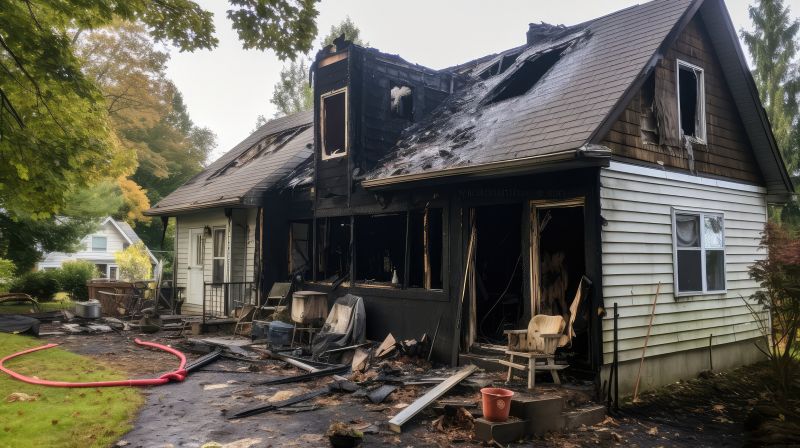
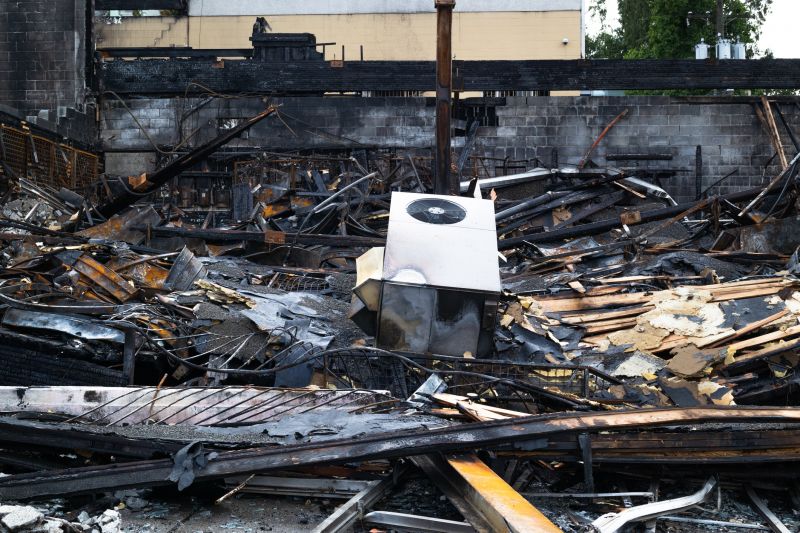
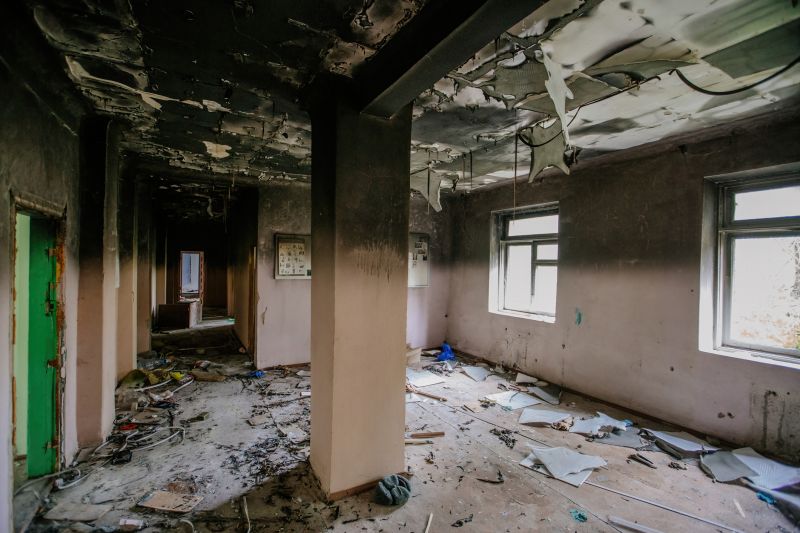
Use consistent scope definitions and verification methods to compare local contractors effectively for smoke damage remediation.
- Scope Definition - Clearly specify the extent of smoke damage to be addressed and the areas involved.
- Experience Verification - Confirm that service providers have relevant experience handling smoke damage remediation projects.
- Material and Method Details - Outline the cleaning, removal, and restoration methods that will be used during remediation.
- Work Expectations - Establish written expectations regarding the scope of work, including any necessary repairs or replacements.
- Communication Protocols - Ensure communication channels and updates are defined to monitor progress and address concerns during the project.
When comparing contractors for smoke damage remediation, it’s important to evaluate their experience with similar projects. Service providers who have handled smoke damage in residential or commercial settings can better understand the unique challenges involved, such as odor removal, soot cleanup, and material restoration. Asking about past projects or requesting references can help gauge a contractor’s familiarity with the scope and complexity of smoke damage cases. Experience in comparable situations can contribute to more effective and thorough remediation efforts, reducing the likelihood of overlooked issues.
A clear, written scope of work is essential when assessing different contractors. This document should outline the specific tasks to be completed, the materials to be used, and the standards for cleaning and restoration. A well-defined scope helps ensure that all parties have a shared understanding of what the project entails, minimizing misunderstandings or gaps in service. When reviewing proposals, look for detailed descriptions of the remediation process and confirm that the scope addresses all areas affected by smoke and soot to set clear expectations from the outset.
Verification basics are key to confidently selecting a service provider. While licensing and certification are not the focus here, verifying a contractor’s reputation through references, reviews, or local reputation can provide insight into their reliability and quality of work. It’s also wise to inquire about their process for documenting work performed and obtaining client approval at different stages. Proper documentation ensures transparency and can serve as a reference if questions or issues arise later in the project.
Evaluating options without focusing on prices involves examining the quality of proposals and the professionalism of each contractor. Consider how thoroughly each service provider has outlined their approach, the clarity of their communication, and their responsiveness to questions. Comparing the level of detail in scope descriptions and the consistency of the information provided can help identify the most qualified professionals. Ultimately, selecting a contractor involves assessing their experience, clarity of scope, verification practices, and overall professionalism to find a team capable of handling smoke damage remediation effectively.
Ask contractors to provide written scope of work to ensure clear expectations and consistent project details.
- Experience in Smoke Damage Remediation - What level of experience do local contractors have with smoke damage cleanup and restoration?
- Scope of Services - How do contractors define the scope of work to ensure all affected areas are addressed?
- Comparison of Methods - What remediation techniques and cleaning methods do different service providers recommend?
- Written Estimates and Plans - Do contractors provide detailed written plans outlining the scope and procedures for the remediation?
- Insurance and Liability Coverage - How do local contractors handle insurance claims and ensure liability coverage during the remediation process?
How can I compare smoke damage remediation contractors? To compare local contractors, review their experience, scope of services, and reputation. Gathering multiple quotes and checking references can help identify the best fit for specific needs.
What should I clarify when defining the scope of smoke damage repair? Clearly outline the extent of damage, areas affected, and desired outcomes to ensure contractors understand the project requirements and provide accurate proposals.
How do I verify a contractor’s experience with smoke damage remediation? Request information about their past projects, specializations, and any relevant work history to gauge their familiarity with smoke damage cleanup and restoration processes.
Why is it important to put project details in writing? Documenting the scope, expectations, and responsibilities helps prevent misunderstandings and provides a clear reference for both parties throughout the remediation process.
What questions should I ask potential contractors during the selection process? Inquire about their approach to smoke damage cleanup, the methods they use, and how they handle unforeseen issues to ensure they align with project needs.
How can I ensure the contractor understands my specific smoke damage concerns? Communicate your expectations clearly and ask for a detailed plan or proposal that addresses your particular situation before proceeding with any agreement.
This page has provided an overview of how to find qualified contractors for smoke damage remediation. Visitors learned the importance of clearly defining the scope of work, verifying the experience of potential service providers, and setting clear expectations in writing to ensure a smooth process. Comparing local contractors through a straightforward quote form can help identify options that meet specific needs and preferences.
Using the quote form allows visitors to easily compare local contractors specializing in smoke damage remediation. It offers a simple way to gather information and connect with service providers who can handle the job. Taking this step can help in making informed decisions based on the options available in the area.